
 EN
EN
 AR
AR
 BG
BG
 HR
HR
 NL
NL
 FR
FR
 DE
DE
 EL
EL
 HI
HI
 IT
IT
 KO
KO
 PL
PL
 PT
PT
 RO
RO
 RU
RU
 ES
ES
 TL
TL
 IW
IW
 ID
ID
 LV
LV
 LT
LT
 SR
SR
 SL
SL
 UK
UK
 VI
VI
 HU
HU
 MT
MT
 TH
TH
 TR
TR
 AF
AF
 MK
MK
 HY
HY
 AZ
AZ
 UR
UR
 BN
BN
 LA
LA
 NE
NE
 MY
MY
 KK
KK
 UZ
UZ
Jaunā koniskā divvītnu ekstrudera tehniskās priekšrocības
2026
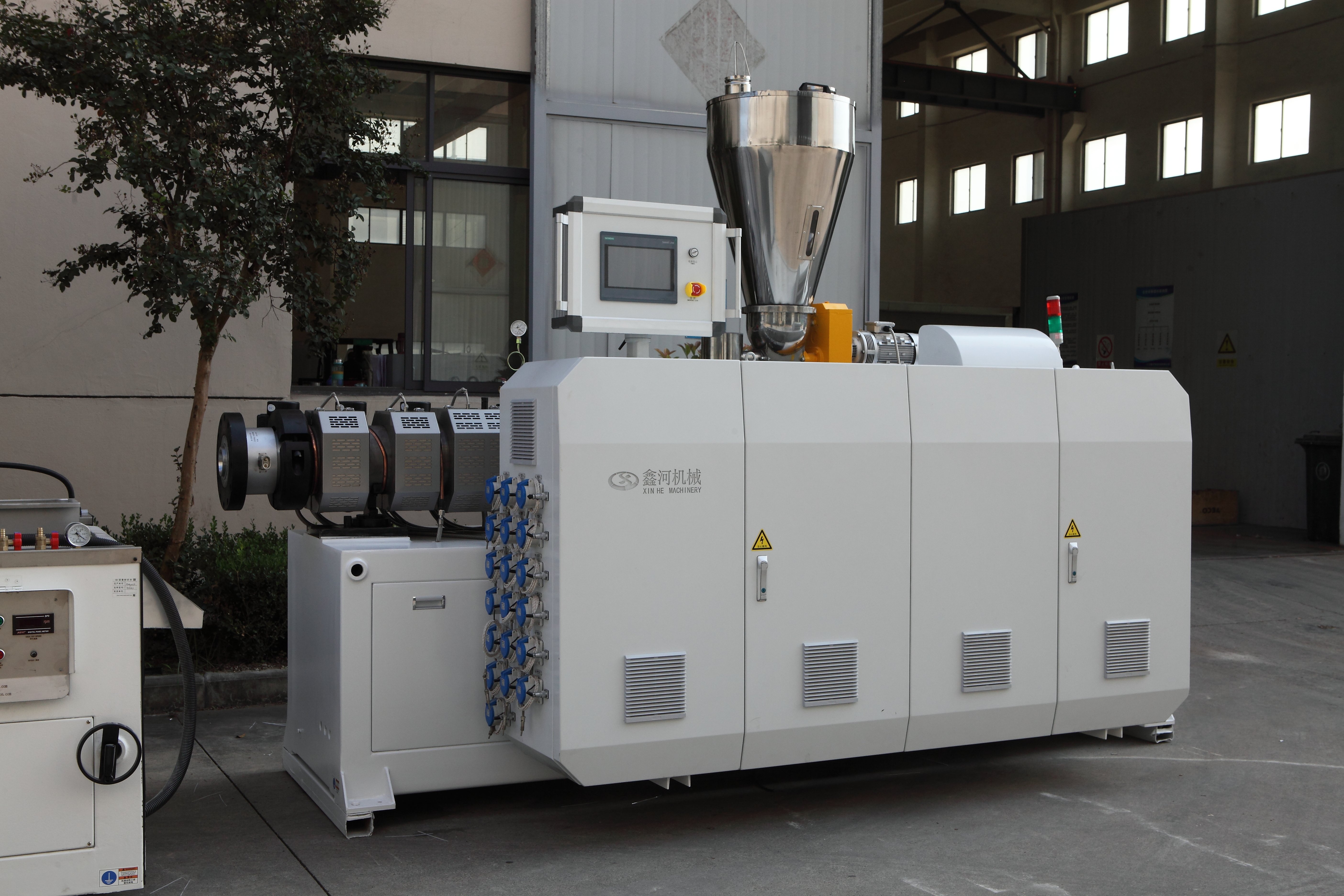
Jaunā tipa koniskais divvītnu ekstruders galvenokārt ir sadalīts divās kategorijās: jaunais pretēji griezošais koniskais divvītnu ekstruders un koniskais vienādi griezošais divvītnu ekstruders (augstas efektivitātes un enerģijas taupīšanas tips). Katram tipam ir savas tehnoloģiskās priekšrocības, bet galvenās priekšrocības saistītas ar plastifikācijas stabilitāti un enerģijas taupīšanu, lai palielinātu ražošanu:
I. Jaunā pretēji griezošā koniskā divvītnu ekstrudera galvenās priekšrocības
Šobrīd tas ir PVC apstrādes jomā dominējošais modernizētais modelis. Tā galvenā tehnoloģiskā priekšrocība izriet no strukturālas optimizācijas:
- Divkārša kompresijas attiecības dizains, lai nodrošinātu pilnīgāku un vienmērīgāku plastifikāciju: izmantojot „divkonusveida“ + pakāpeniski mainīgu skrūves soļa dizainu, tiek veidota divkārša kompresijas attiecība ar mainīgu skrūves rievas dziļumu un pakāpeniski mainīgu skrūves diametru. Kopējā kompresijas attiecība ir lielāka nekā paralēlu divskrūvju ekstrudera, nodrošinot plastifikācijas pakāpi ≥95 %, vienlaikus samazinot siltumstabilizatora patēriņu par 12 %.
- Augsspiediena stabila formošana, augstāka pabeigto izstrādājumu precizitāte: tilpuma pārvadāšana var radīt augstu asspiedienu 20–50 MPa, palielinot materiāla blīvumu par 15 %–25 %. Tas efektīvi novērš iekšējo spriegumu, kas rodas dzesēšanas sarukšanas rezultātā. Piemēram, PVC cauruļu ražošanā apaļuma kļūda var tikt kontrolēta ietvaros līdz 0,5 %, bet izmēru stabilitāte ir daudz augstāka nekā tradicionālo modeļu gadījumā.
- Pielāgojams siltumjūtīgiem/augsti piepildītiem materiāliem, zems degradācijas risks: pakāpeniski mainīgais skrūves diametrs rada zemāku apriņķa vītnes ātrumu, zemāku šķērsvirziena ātrumu un mazāku siltuma veidošanos, tādējādi to īpaši piemēro siltumjūtīgiem materiāliem, piemēram, PVC, novēršot pārkarsēšanas izraisītu degradāciju. Tas arī demonstrē lielāku pielāgojamību augsti piepildītām sistēmām ar kalcija karbonāta saturu >60 %, nodrošinot vienmērīgāku disperģēšanu.
- Optimizēta konstrukcija uzlabo pārvades stabilitāti: liels vietas apjoms astei paredzētajam bultskrūvju lodziņam un lielāks reduktora izvadasskārda centrālais attālums ļauj izmantot lielākus lodziņus, kas nodrošina lielāku slodzes izturību, augstāku darba momentu un labāku ilgtermiņa ekspluatācijas stabilitāti.
II. Augstas efektivitātes un enerģiju taupīšanas koniskās vienādā virzienā rotējošās divskrūves ekstrudera galvenās priekšrocības (jaunā uzlabotā modeļa)
Šī jaunā paaudzes tehnoloģija apvieno konisku pretēji rotējošo un paralēlu vienlaicīgi rotējošo divu skrūvju ekstrudētāju priekšrocības. Tās galvenās priekšrocības ir augsta ražošanas jauda un zems patēriņš:
- Ievērojama enerģijas taupīšana un ražošanas jaudas palielināšana: Apvienojot konisko skrūvju struktūru ar vienlaicīgi rotējošo dizainu, tas patērē aptuveni 30–50 % mazāk elektrības nekā tradicionālie modeļi, faktiskā jaudas blīvums ir tik zems kā 0,07 kW/(kg·h), un ražošanas jauda palielinās vairāk nekā divas reizes.
- Pārāka maisīšanas un plastifikācijas veiktspēja: Materiāls pārvietojas pa astoņveida/S-veida ceļu caur cilindru, pagarinot plastifikācijas laiku un ļaujot vienmērīgāk maisīt krāsvielas, piepildītājus un pamatmateriālus. Tas novērš problēmas, piemēram, krāsas atšķirības un nevienmērīgu sastāvu, tādējādi padarot to piemērotu lietojumiem, kuriem nepieciešama augsta maisīšanas kvalitāte, piemēram, modificētām plastmasām un piepildītāju masterbetchām.
- Regulējama šķēršana + spēcīga paštīrīšanās spēja: Šķēršanas intensitāti var precīzi regulēt, mainot skrūves ātrumu un spraugu. Zema šķēršana ir piemērota siltumjutīgiem materiāliem, bet augsta šķēršana — materiāliem ar augstu piepildītāju saturu. Vienlaikus precīzi izstrādātā skrūves sprauga (0,02–0,04 mm) nodrošina paštīrīšanās funkciju, samazinot materiāla atlikumu oglekļošanos un saīsinot materiālu maiņas laiku par vairāk nekā 30 % biežām krāsu maiņām.
- Stabilāka transmisijas sistēmas konstrukcija: Spiediena novēršanas kastītes un momenta sadalīšanas kastītes izmantošana atdala ass virziena spiedienu un momenta slodzi, ievērojami uzlabojot transmisijas stabilitāti un aprīkojuma kalpošanas laiku.